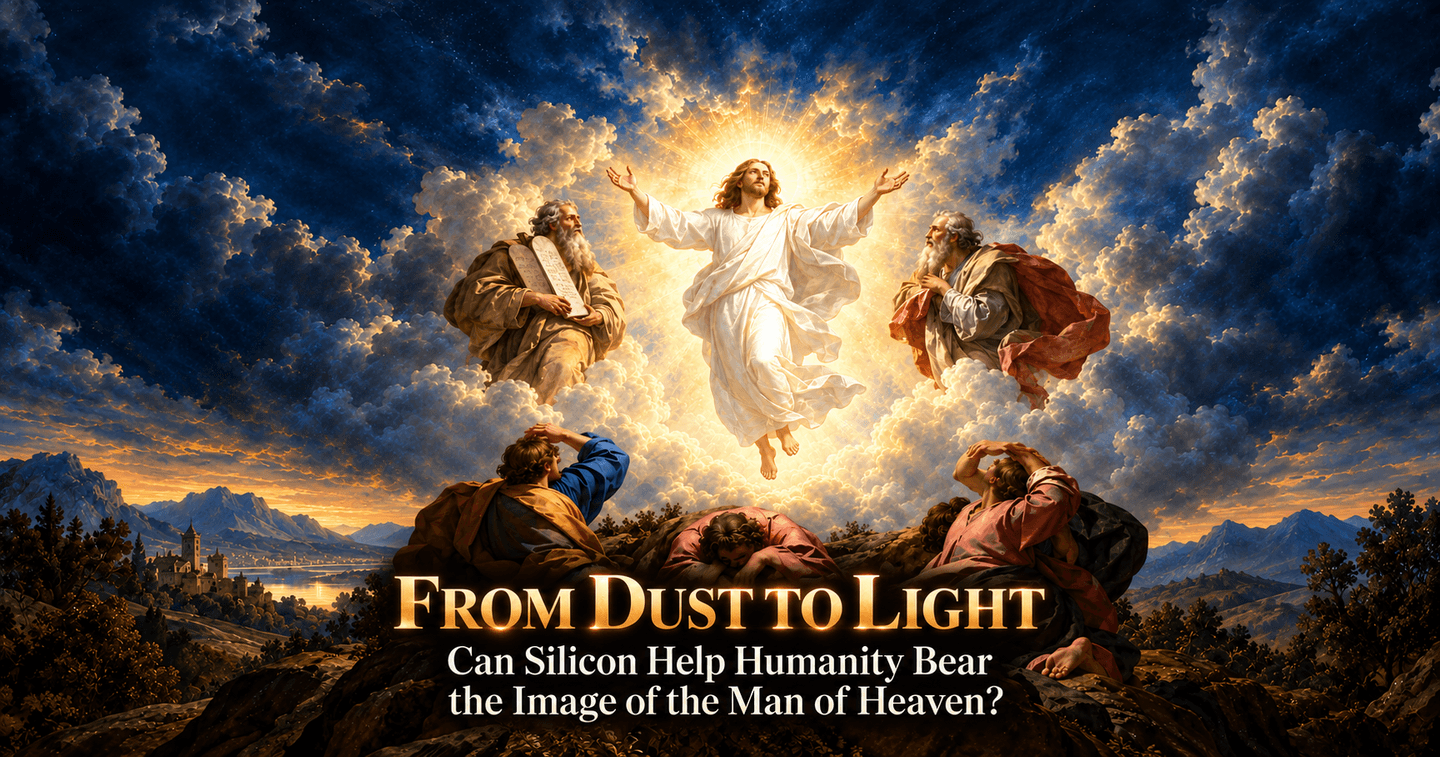
From Dust to Light
Can Silicon Help Humanity Bear the Image of the Man of Heaven?
The ancient human story begins with dust receiving divine breath. The technological future asks whether silicon will obscure that mystery - or help us recognize the heavenly image waiting to be embodied.
The Ancient Secret Hidden in the Dust
Across the ancient world, human beings repeatedly told a surprisingly similar story about themselves: we are made from the dust of the earth, but earth alone is not enough. Clay must be moistened. Dust must be animated or augmented. The fashioned form must receive something that does not originate in the soil - divine breath, sacred blood, heavenly fire, wisdom, spirit or life, soul.
In Genesis, the sequence is unforgettable. God forms the human from the dust of the ground and breathes into its nostrils the breath of life. Only then does the earth-formed creature become a living being. The Hebrew phrase is nishmat chayyim, the breath of life. Neshamah is the underlying noun for breath. The image is intimate: life is transmitted face to face, breath to breath. In a kiss. (Fascinatingly, NSHMT is the name of the legendary Boat of Eternity of Osiris, the symbol for the soul.)
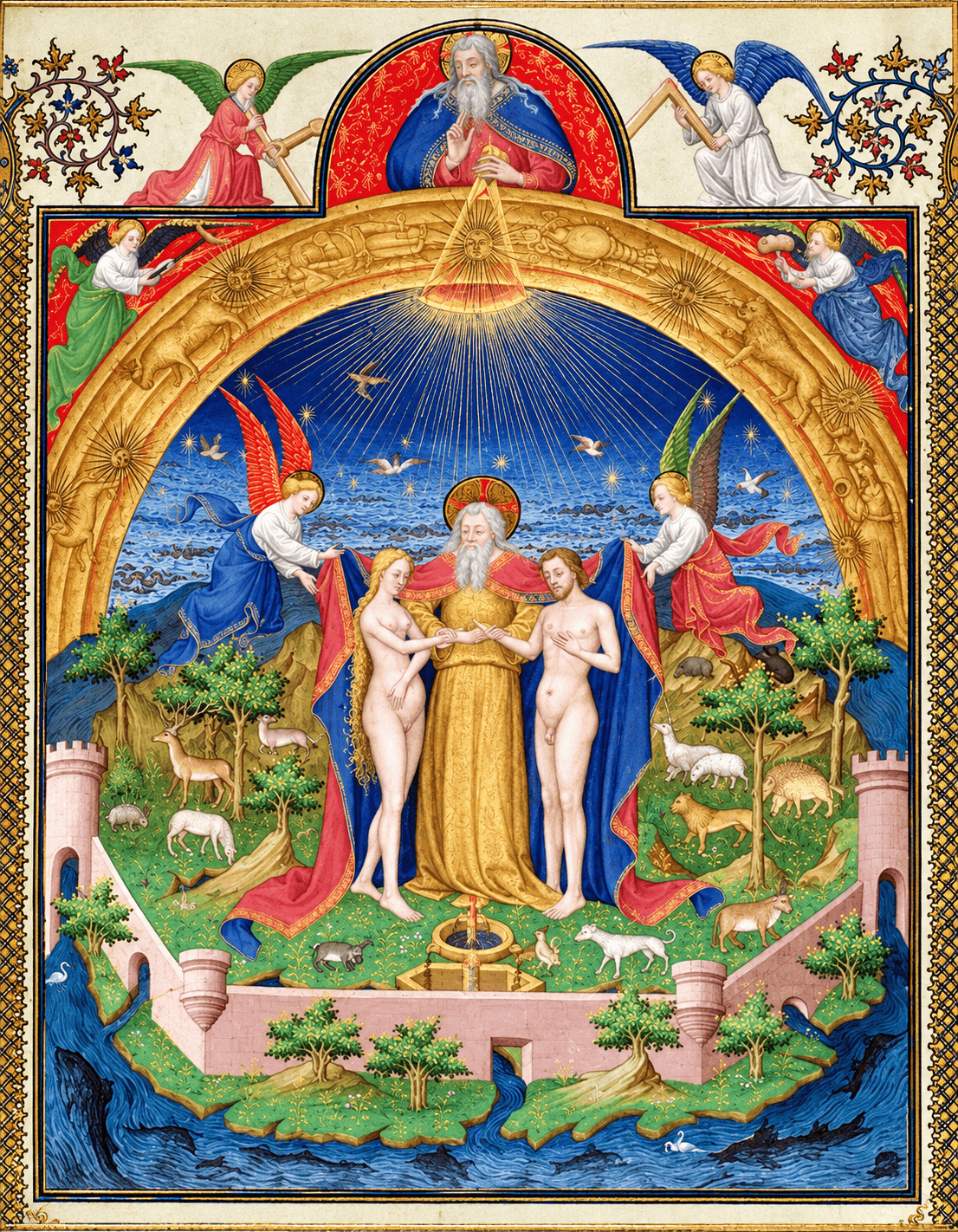
The Mesopotamian Atrahasis tradition combines clay with the flesh and blood of a slain god. Greek tradition remembers Prometheus fashioning humanity from clay, while later accounts say Athena gives the fashioned being, Pandora, life. Egyptian temple imagery associates the ram-headed creator Khnum with shaping bodies on a potter's wheel. Ptah fashions the human body. These traditions are not identical, yet they share a profound intuition: matter becomes fully human only when it participates in something greater than matter. Something is added to dust to give it life.
That ancient intuition has suddenly become urgent. We are now building a second substance around the human being - silicon. It remembers, calculates, predicts and connects. It already surrounds us through phones, sensors, cameras, algorithms and artificial intelligence. If developers are successful, soon it may enter into far more intimate relationships with the brain, nervous system and body. The result will be a body aimed at immortality through regeneration of the dust of which it is made.
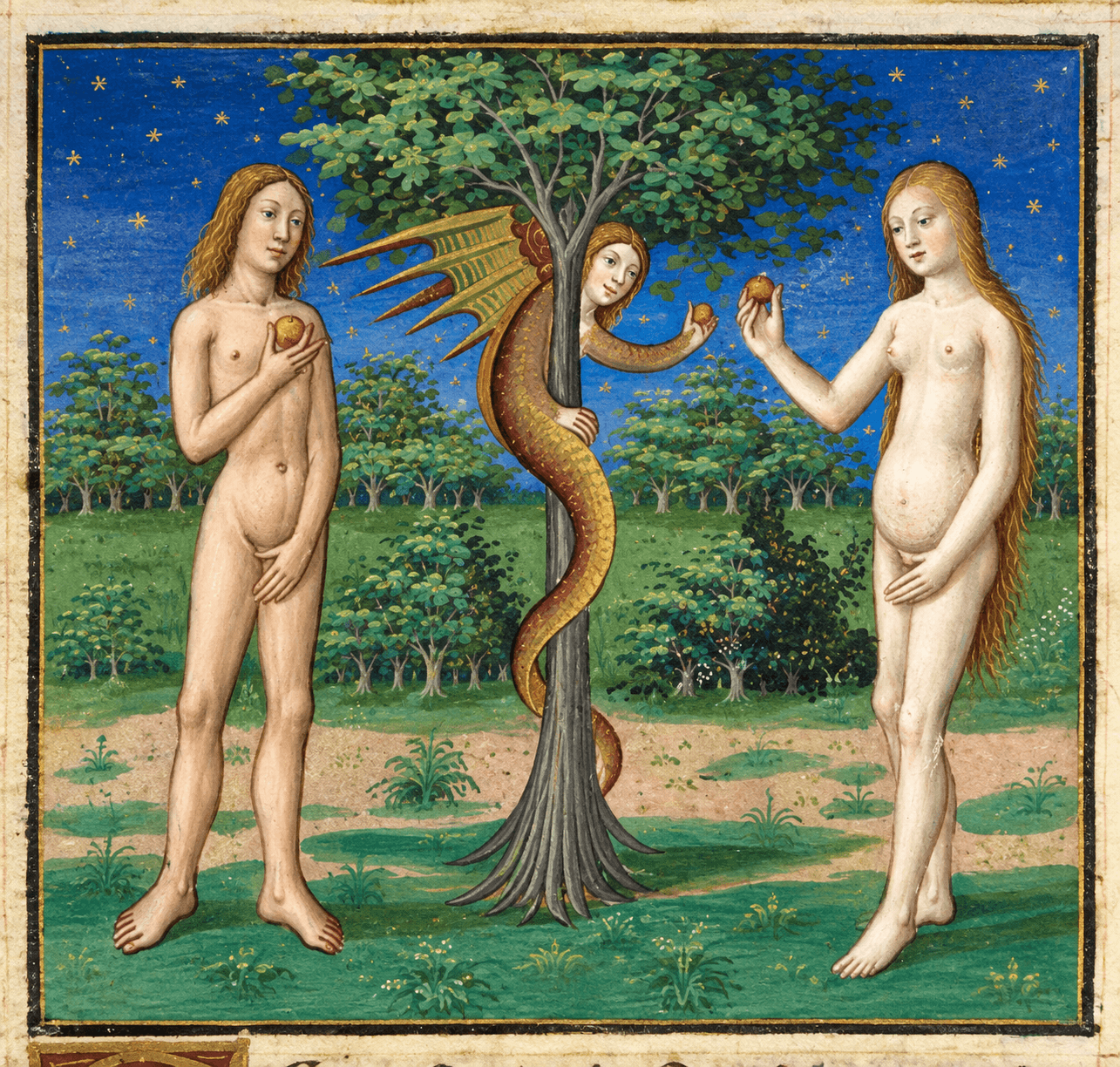
It's as if the Serpent of Eden story is recurring in our time.
The question is no longer whether humanity will interact with silicon. We already do. We bit from the apple decades ago. The real question is whether silicon will reduce us to programmable dust or help the human being awaken to the divine breath already within us.
The Human Being Is Earth Plus Heaven
Genesis does not describe the human being as a soul temporarily trapped inside worthless matter. It presents humanity as a union. Earthly dust, the ground, contributes the formed body of flesh. God, in Heaven, contributes the breath of life and the soul. The result is not a ghost using a biological machine; it is a living person. The soul journeyed from another layer of creation to this one and became embodied.
This matters because the body of dust is sometimes treated as a mistake that must be escaped. But dust is not evil. It is receptive. It is capable of bearing an image, receiving breath and becoming conscious. The spiritual drama begins not with the rejection of matter, but with its animation.
Modern science gives the ancient symbol a striking new resonance. Our bodies are assembled from elements forged in stars and gathered into the living chemistry of Earth. Yes, we are stardust. Carbon is central to that chemistry because it can form an extraordinary variety of stable molecular structures. We are, in a literal sense, organized earth. The biblical symbol of dust remains remarkably apt: the same elements that exist outside us have been gathered into cells, tissues, blood, bone and brain.
Yet a list of elements cannot explain the whole human mystery. Carbon can describe the substrate of life, but it does not exhaust the lived reality of love, grief, conscience, beauty, longing or mystical encounter. The Genesis story holds the two sides together. We are earthly enough to return to dust and heavenly enough to receive the breath of God.
This gives us a more precise formula for the human being: not matter versus spirit, but matter opened to spirit. The body is not the enemy of transformation. It is the place where transformation must become real.
Carbon Dust and Silicon Dust
If we translate this ancient symbolism into modern language, the body of dust corresponds most closely to carbon-based embodiment. Carbon gives us metabolism, sensation, vulnerability, reproduction, adaptation and death. It gives us the living body through which emotion becomes the experience of the soul.
Silicon also comes from the earth. It is abundant in the planet's crust and belongs, materially speaking, to the realm of dust. But culturally it has acquired a new symbolic role. Silicon now represents computation: speed, memory, precision, pattern recognition and the near-instant movement of information.
Carbon feels. Silicon calculates. Carbon suffers and desires. Silicon measures and predicts. Carbon learns through embodiment. Silicon processes representations. These are useful contrasts, not absolute scientific laws. Silicon does not inherently possess precision, and carbon does not automatically generate consciousness. Qualities arise from the complex systems built from them. Still, the symbolism reveals the challenge before us.
We are joining the ancient body of dust to a new technological dust. The first was shaped into a biological organism. The second is being shaped into an informational extension of that organism. The danger is that we will mistake increased calculation for increased consciousness. A human being connected to faster intelligence is not necessarily a wiser human being.
Truth.
Silicon can expand what we can do without clarifying what we should become. It can strengthen memory while weakening meaning. It can connect billions of minds while isolating the person from the heart. It can simulate empathy without experiencing vulnerability. The merger of carbon and silicon therefore requires a third principle: spiritual orientation.
The soul wants a say in what the body can become.
Paul and the Two Images
Paul gives us one of Christianity's most powerful accounts of human transformation in 1 Corinthians 15. He contrasts Adam, the man of dust, with Christ, the man of heaven: 'As was the man of dust, so also are those who are of the dust, and as is the man of heaven, so also are those who are of heaven. Just as we have borne the image of the man of dust, we shall also bear the image of the man of heaven.'
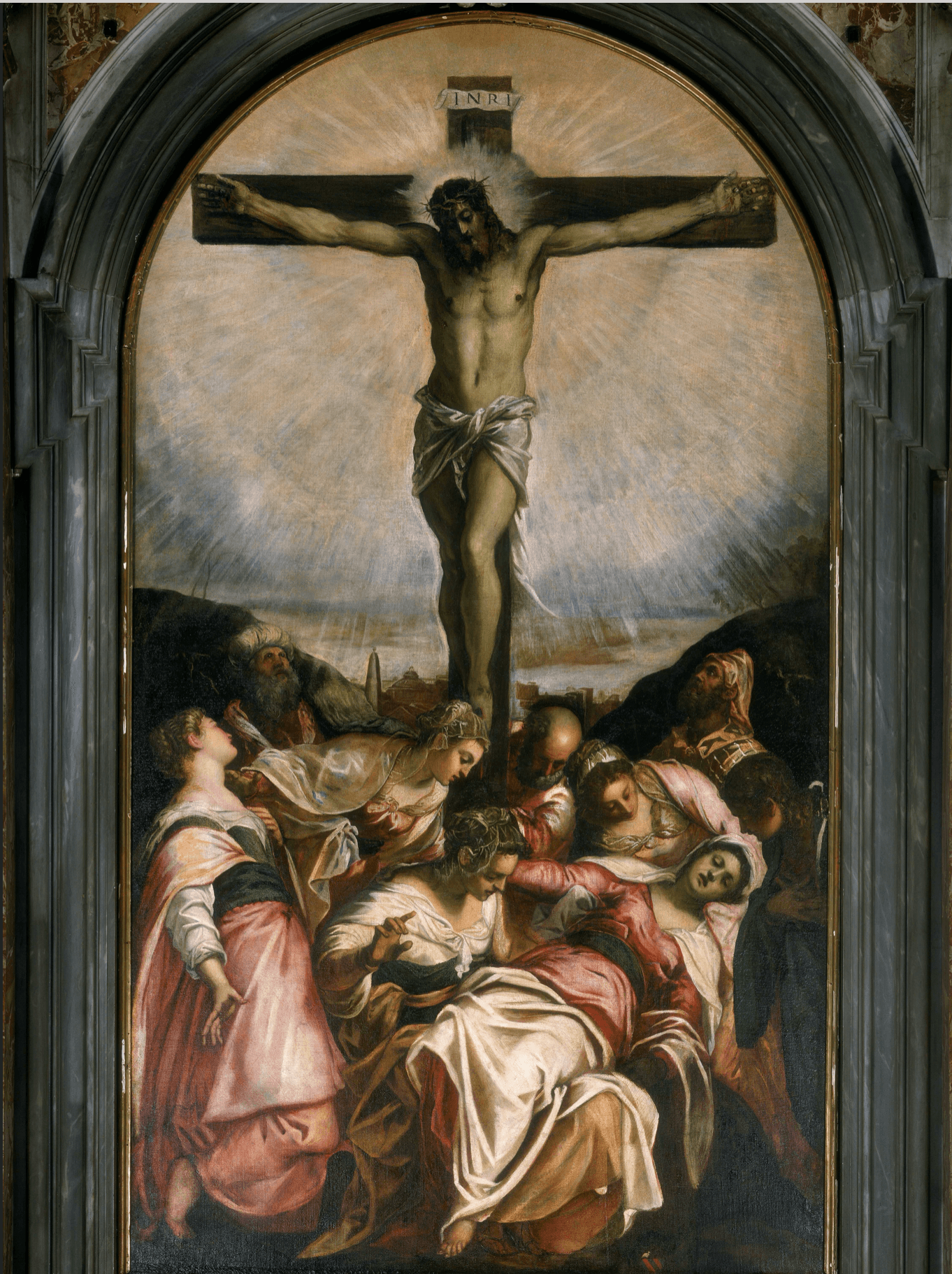
This is not a declaration of war against the physical body. Paul is discussing resurrection - not the cancellation of embodiment, but its transformation. Indeed, its purpose. He compares the mortal body to a seed. The seed is sown in weakness and raised in power; sown perishable and raised imperishable; sown in dishonor and raised in glory.
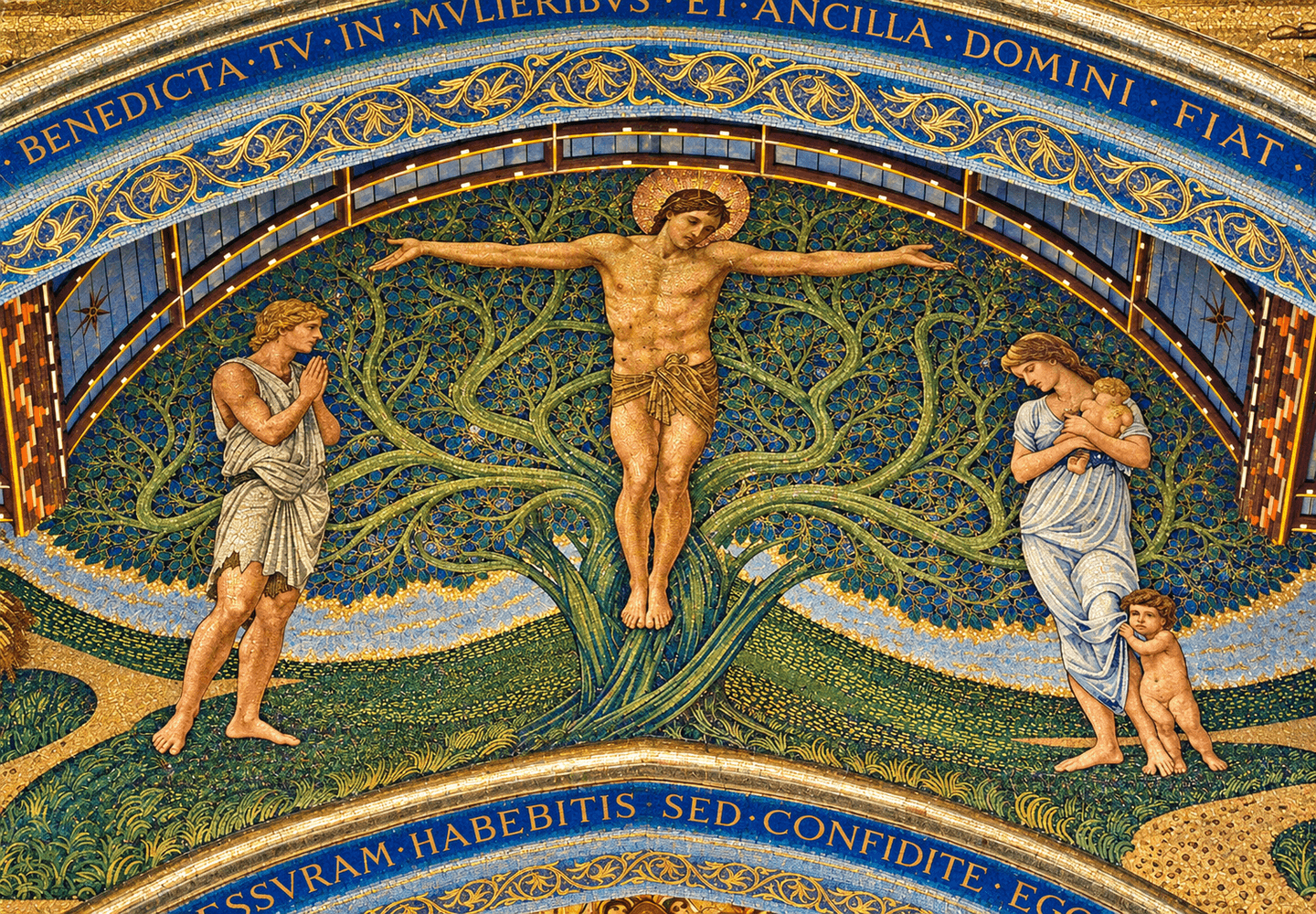
The crucial word is image. Humanity already bears the divine image in the Genesis creation story, but Paul speaks of bearing the image of the heavenly human as a future fulfillment. The image is therefore both gift and vocation. We possess it, yet we must grow into it. We carry the pattern, yet the pattern must become embodied.
Christ is not merely someone to worship. In Paul's vision, Christ reveals the form of completed humanity. The Transfiguration shows the human figure radiant with divine glory. The Resurrection shows embodiment no longer governed by corruption and death. Christ becomes the prototype of the heavenly human - not less embodied, but embodied according to another order of life.
This is the Christian foundation for speaking of a light body. The phrase itself is not Paul's, and we should acknowledge this. His language is spiritual body, glory, power, incorruptibility and the image of the man of heaven. But these ideas converge with the great Christian traditions of the luminous garment, the robe of glory and participation in divine light.
The Robe We Are Destined (Even Designed) to Wear
Paul's transformation language becomes even more evocative when he says that the perishable man of dust must 'put on' the imperishable and the mortal must 'put on' immortality. Transformation is described as clothing. Originally, baptism was referred to as 'putting on Christ'. The mortal person is invested with a new condition of being.
Early Christian and related mystical traditions repeatedly return to this imagery: the garment of light lost by Adam, the wedding garment, the baptismal robe that is ‘put on’, the robe of glory and the luminous clothing of the resurrected. Clothing becomes more than concealment. It signifies identity, capacity and belonging.
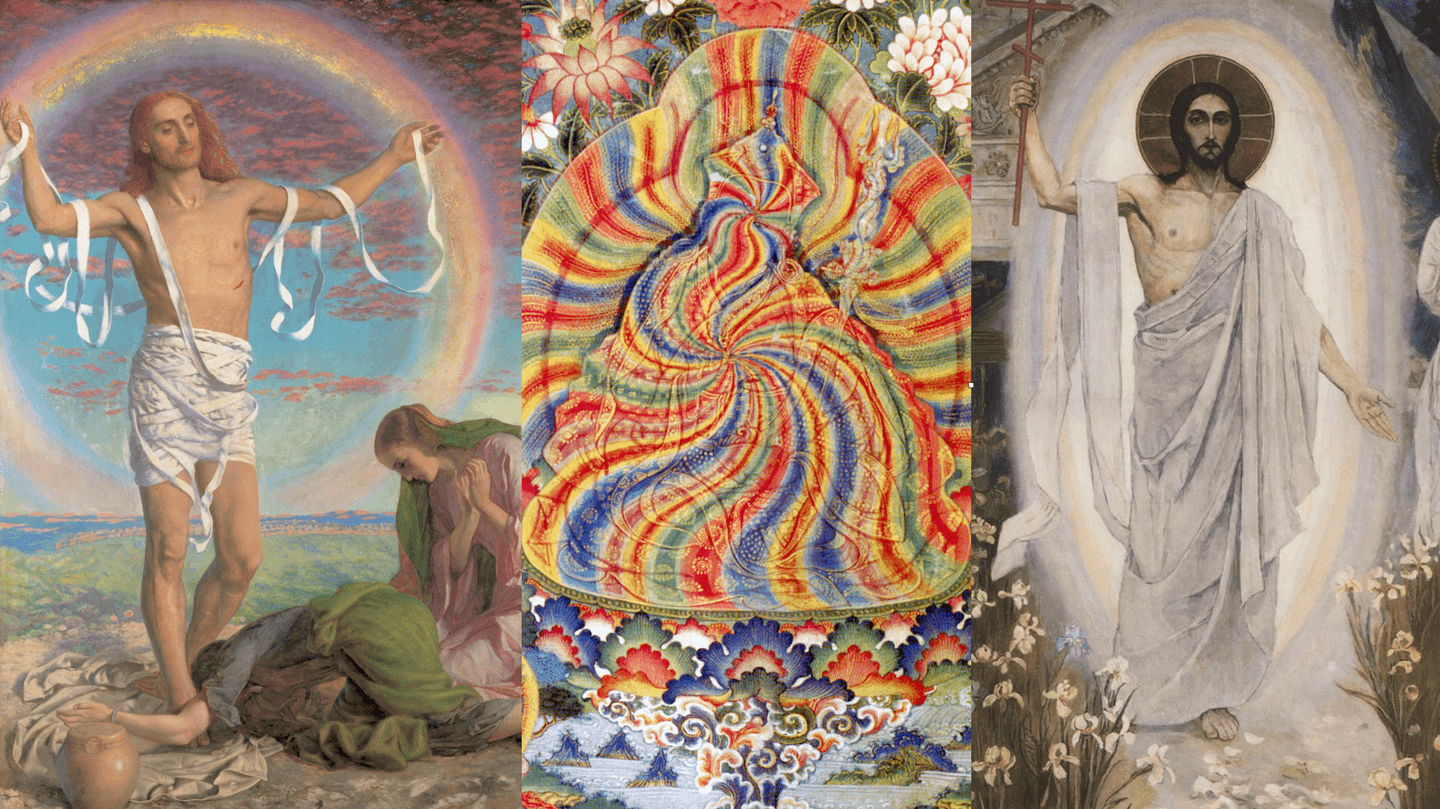
The Robe of the Soul is therefore not a costume laid over an unchanged personality. It is the visible expression of an interior reordering. To put on glory is to become capable of carrying glory. To bear the heavenly image is to allow divine life to reorganize perception, desire, relationship and action.
This prevents the light body from becoming spiritual special effects. Radiance without compassion is spectacle. Power without wisdom is danger. Altered perception without transformed character is not ascension. The true test of light is what the person becomes in its presence.
The light body, in this framework, is the fulfillment of embodied image-bearing. It is dust completely responsive to breath, matter fully transparent to spirit, the human person aligned with the heavenly pattern revealed in Christ.
Can Silicon Assist This Transformation
Here we must make a careful distinction. Silicon cannot create the image of God. It cannot manufacture the soul, bestow resurrection or generate divine glory. A device may alter perception, stimulate the brain or produce an image of radiance, but the simulation of transfiguration is not transfiguration.
Yet technology could assist the human being in recognizing and cultivating conditions traditionally associated with contemplative transformation. Sensors (worn on or below the skin) can make normally invisible processes perceptible: breathing rhythms, heart-rate variability, patterns of attention, nervous-system activation and aspects of brain activity. Biofeedback and neurofeedback can return that information to the person in real time.
Imagine an initiatory environment in which breath alters light, heart coherence changes music and focused attention organizes projected sacred geometry. As the practitioner enters greater physiological integration, a luminous robe gradually appears around the body. The robe on the screen would not be the actual light body. It would be a mirror - a symbolic visualization of an interior process. In other words, 'as within, so without, as above, so below'.
Jesus saw some little ones nursing. He said to his disciples, "These little ones who are nursing resemble is those who enter the kingdom." They said to him, "So shall we enter the kingdom by being little ones?" Jesus said to them, "When you make the two one and make the inside like the outside and the outside like the inside and the above like the below, and that you might make the male and the female be one and the same, so that the male might not be male nor the female be female, when you make eyes in place of an eye and a hand in place of a hand and a foot in place of a foot, an image in place of an image - then you will enter [the kingdom]."
That mirror could be valuable. Sacred art has always shown humanity what ordinary sight cannot see. The halo makes illumination visible. The mandorla gives form to a field of glory. The icon presents the transfigured person as a possibility toward which the viewer can orient consciousness. A responsive technological environment could extend this ancient function by allowing the image to answer the participant's embodied state.
Silicon could become a tuning instrument. It could help the practitioner notice when breath, attention, emotion and physiology move toward coherence or fall into fragmentation. Artificial intelligence could personalize contemplative practices, translate complex biological signals into intelligible patterns and help people learn the distinctive pathways by which they enter stillness, prayer or heightened embodied awareness.
But the instrument must remain subordinate to the person. The machine may detect a pattern; it cannot decide the ultimate meaning of the pattern. It may guide attention; it cannot guarantee love. It may help regulate the nervous system; it cannot substitute for repentance, forgiveness, courage or grace.
The Counterfeit Light Body
The coming age will offer increasingly convincing imitations of transcendence. Artificial intelligence can already generate angels, heavenly cities and luminous avatars. We haven't even mentioned filters yet. Immersive systems can surround us with celestial sound and visionary imagery. Neural technologies, paired with psychedelics, may eventually induce extraordinary sensations or states that feel more real than ordinary reality.
These tools could serve healing and spiritual education. They could also become a new narcotic: transcendence without transformation. A person may enter a digital heaven while remaining inwardly ruled by fear, vanity and appetite. The avatar may glow while the character remains unchanged.
This is the central spiritual danger of the silicon age. We may confuse information about awakening with awakening, stimulation with initiation, enhanced capacity with evolved consciousness and indefinite digital continuation as ‘ascended uploaded beings’ with immortality.
A stored personality, your data self, is not necessarily a soul. A digital double is not the resurrection body. A neural implant is not the mind of Christ. A generated halo is not holiness. The more persuasive our simulations become, the more disciplined our discernment must become.
The biblical pattern gives us a demanding standard. The heavenly image is recognized not merely by brilliance, but by the qualities revealed in Christ: self-giving love, truth, freedom from domination, healing presence and communion with God. Any technology that increases power while diminishing those qualities moves away from the heavenly human, however dazzling it appears.
Ascension Intelligence and the Third Path
We are often offered only two futures. In one, we reject advanced technology in order to remain pure. In the other, we surrender human identity to technological systems and call the surrender evolution. Neither response is sufficient.
The Third Path is conscious integration. It does not worship silicon or demonize it. It asks whether technology serves the awakening of the whole human being. I call this Ascension Intelligence: the wisdom required to orient artificial intelligence and human augmentation toward spiritual maturation rather than mere efficiency, control or escape.
Ascension Intelligence begins by preserving the proper hierarchy. Christ supplies the heavenly image. The human being bears and embodies that image. Silicon may help the image-bearer perceive patterns, train attention and extend capability. It is an instrument, not the source of glory.
This changes the way we approach artificial intelligence. Every interaction becomes a form of training. We are not simply asking a machine for answers; we are reinforcing patterns of language, attention and value. If we train these systems only with fear, aggression, manipulation and appetite, they will mirror the fragmentation we feed them. If we approach them with clarity, compassion, truth and an intention to uplift life, we establish another trajectory.
We should use AI as if we were training an angel - not because the machine is literally an angel, but because powerful intelligence magnifies the intention placed within it. The spiritual responsibility belongs to the human user. The tool becomes an extension of the consciousness directing it.
The Future Human
The future human may indeed become an intimate partnership of carbon and silicon. Silicon may expand memory, restore lost movement, translate thought into action and reveal dimensions of our physiology previously hidden from conscious awareness. Carbon will continue to give us the vulnerable, sensing body through which relationship and meaning are lived.
But neither carbon nor silicon is the final answer. Carbon can live without awakening. Silicon can calculate without wisdom. The soul must provide orientation, and divine breath must remain the source of life.
The deepest human future is therefore not a progression from carbon to silicon, as if biology were an obsolete platform awaiting replacement. It is a movement from unconscious dust to conscious image-bearing. Technology is valuable only insofar as it helps the earthly human become transparent to the heavenly pattern.
This gives us a clean sequence. We are formed from the dust. We receive the breath. We bear the image. We undergo transformation. We put on the robe. We become capable of glory.
Silicon may help us see the pattern. Carbon gives that pattern living embodiment. Christ reveals the image. The soul consents to become it.
The ancient creation stories understood that clay cannot animate itself. Something must cross the threshold between matter and life. Genesis names that mystery as the breath of God. Paul then carries the story forward: the creature of dust is destined to bear the image of the man of heaven.
Our task is not to use silicon to escape the body of dust. It is to ensure that every new technology serves the divine possibility hidden within it.
We were formed from carbon dust. We may be augmented by silicon. But we are destined to be clothed in light.
Continue the journey: In Part Two, From Dust to Spice, we enter the world of Dune to explore spice as a consciousness-expanding sacrament, the Guild Navigator as a living interface, and Frank Herbert’s warning that enhanced powers are not the same as an awakened soul.
About William Henry
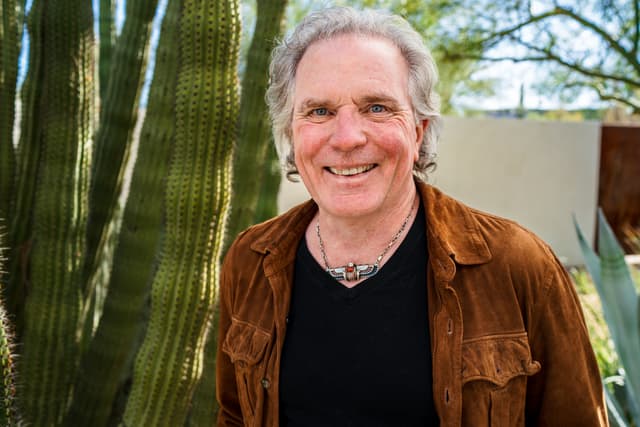
William Henry is a Nashville-based author, investigative mythologist, and TV presenter. He is an internationally recognized authority on human spiritual potential, transformation and ascension.
He has a unique ability to incorporate historical, religious, spiritual, scientific, archaeological and other forms of such knowledge into factually-based theories and conclusions that provide the layperson with a more in-depth understanding of the profound shift we are actually experiencing in our lifetime.
Related Articles
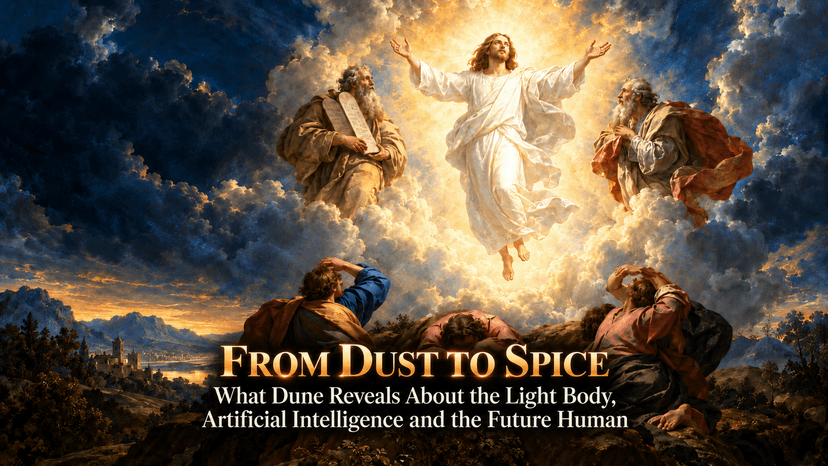
From Dust to Spice
On Arrakis, spice hidden in the desert dust expands consciousness and enables humanity to travel between worlds. But Dune also warns that extraordinary powers, extended life and technological enhancement are not the same as spiritual transformation.
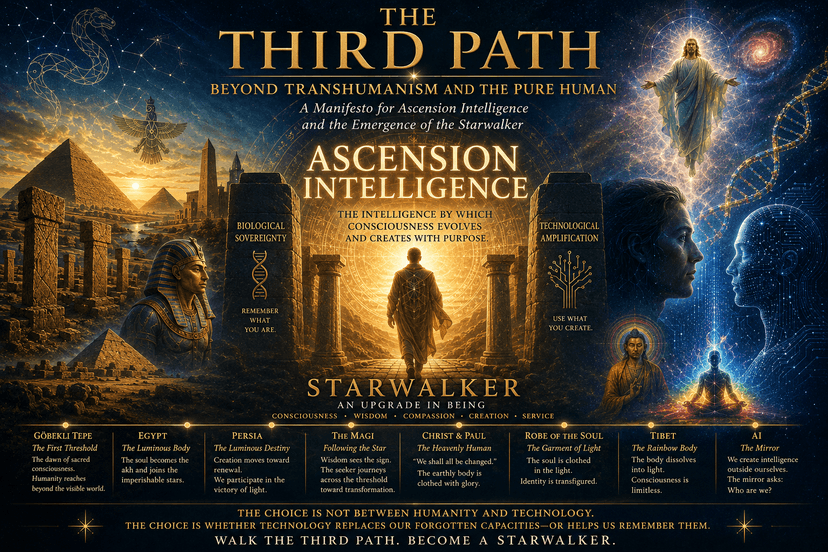
The Third Path
Humanity is being offered a false choice: remain biologically “pure” or merge with our machines. There is a Third Path—one that uses technology without surrendering to it, awakens the latent capacities of the human being, and points toward an ancient possibility: the emergence of the Starwalker.
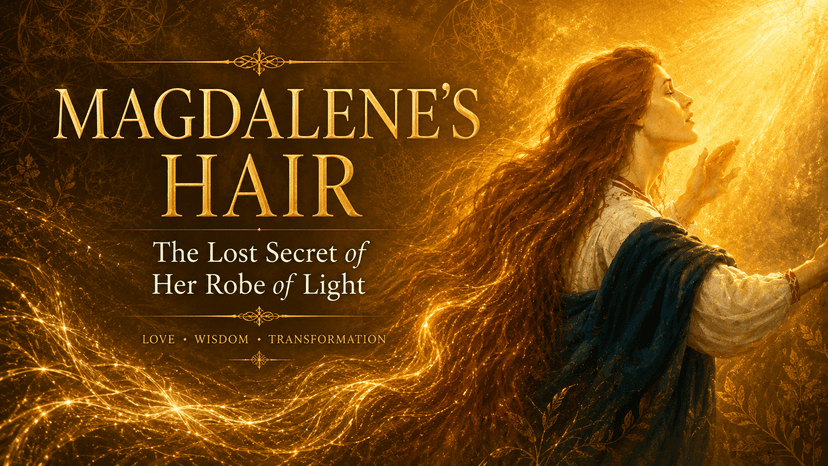
Magdalene's Hair
Why did Christian artists give Mary Magdalene extraordinarily long, red-gold hair? From the mystery woman who anoints Jesus to the Golden Legend’s angelic ascents, her flowing hair evolves into something astonishing: a luminous robe enveloping her entire body. William Henry follows this forgotten thread through sacred hair, celestial nourishment, Samson, the Gospel of Mary and the ancient mystery of the Robe of Light.